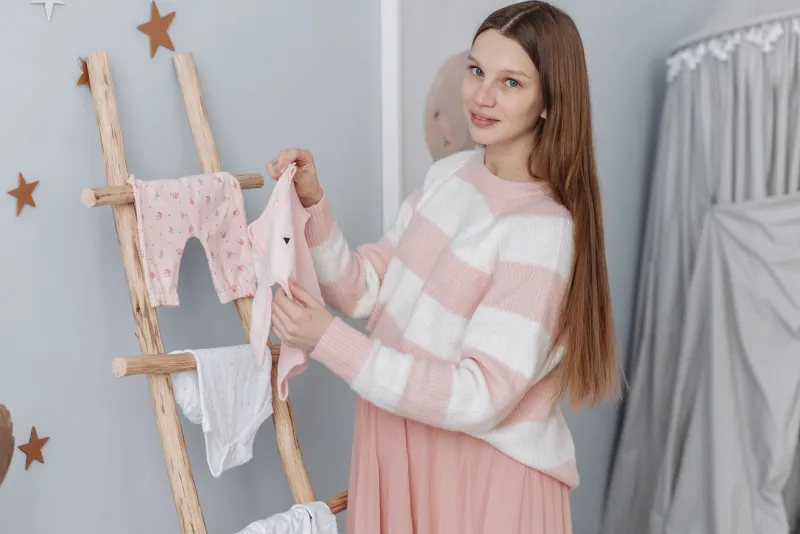
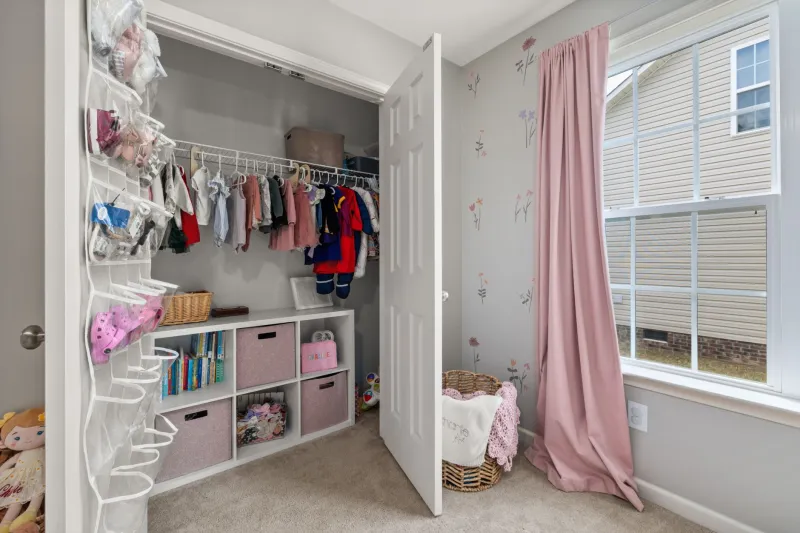
Renting Baby Gear Sounds Like a Dream — Until the Box Actually Shows Up
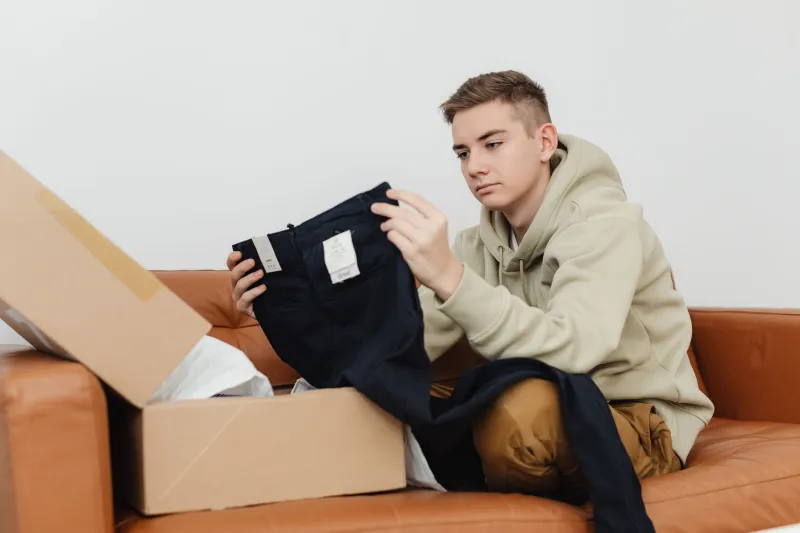
The pitch is genuinely appealing. Skip the big-box store overwhelm, avoid spending $400 on a bassinet your baby will outgrow in four months, and just rent the gear you need for as long as you need it. Return it when you're done. No garage full of stuff you're not sure what to do with. No Marketplace negotiations.
Baby gear rental and subscription services have been growing steadily, and it's easy to see why new and expecting parents are drawn in. The problem is that the gap between what these services promise and what actually shows up at your door can be... significant.
What the Marketing Says vs. What Parents Are Actually Getting
Most baby gear rental services advertise professionally cleaned, sanitized equipment in excellent condition. Some even use phrases like "like new" or "curated gear" to describe what you'll receive. The listings look great. The unboxing? Sometimes less so.
Sarah, a first-time mom in Austin, signed up for a popular gear subscription before her daughter was born. "I rented a high chair and a baby swing," she says. "The swing showed up with a strap that had clearly been repaired with electrical tape. It technically worked, but it wasn't what I pictured when I paid the monthly fee."
This isn't universal — plenty of parents have had smooth, positive experiences with rental services. But the inconsistency is real, and it's worth understanding before you commit.
The issue often comes down to cleaning and inspection standards that vary widely between companies. A few larger services have detailed protocols and replacement guarantees. Smaller operations may be working with tighter margins and less rigorous quality control. Without reading the fine print carefully, it's hard to know which one you're dealing with until the box is already on your porch.
The Hidden Fee Problem Nobody Talks About Upfront
Base subscription pricing is usually what gets highlighted in ads. What tends to stay buried until you're already a subscriber? Everything else.
Damage fees are the big one. Most services require you to sign a damage policy at signup, but the thresholds for what counts as "normal wear" versus chargeable damage can be surprisingly narrow. A small scuff on a stroller frame. A food stain on a high chair tray that didn't fully wash out. Some companies have been known to charge returning customers for damage that was almost certainly there before the item arrived.
Then there are return shipping costs. Some services cover this; others don't. If you're renting something bulky — a full-size crib, a travel bassinet, a bouncer — you could be looking at $40 to $80 in return shipping that wasn't factored into your mental math when you signed up.
Extension fees are another sneaky one. If your baby isn't done with the gear when your subscription period ends (and babies rarely cooperate with timelines), renewing month-to-month often costs significantly more than the original rate.
Jameel, a dad of twins in the Chicago suburbs, put it plainly: "By the time I added up what I paid in fees over eight months, I could have bought the same gear used and sold it afterward for close to what I paid. The math just didn't work out the way I thought it would."
When a Rental or Subscription Actually Makes Sense
That said, dismissing these services entirely would be shortsighted. There are real situations where renting baby gear is genuinely the smarter move.
Travel is the clearest win. Renting a crib or a car seat at your destination rather than hauling your own across three airports is a legitimate convenience, and several services specialize specifically in travel gear delivery. For a week-long trip, the cost is usually reasonable and the logistics are much simpler.
Short-term needs are another strong use case. If you're not sure whether your baby will take to a particular type of rocker or swing, renting before buying gives you a low-stakes way to find out. Some parents use rentals as a try-before-you-buy strategy, which is actually pretty clever.
Apartment living and small spaces also tip the scales toward renting. If you're in a 700-square-foot apartment in a city and you genuinely don't have storage space for gear your baby has outgrown, the convenience of returning items when you're done with them has real value.
Families who know they're done having kids sometimes find renting more appealing than buying gear they'll never use again. If there's no second baby on the horizon and you don't want to deal with reselling, a rental removes that whole exit problem.
When Buying (or Borrowing) Still Wins
For most families in most situations, buying — especially secondhand — still tends to come out ahead financially. A gently used bassinet from a local buy-nothing group or Facebook Marketplace costs nothing or next to nothing. A used high chair in good condition can be found for $20 to $40 in most US cities. You're not paying monthly fees, you're not worrying about damage charges, and you can resell when you're done.
Borrowing from friends or family who are past the baby stage is even better when it's an option — assuming the gear meets current safety standards (which is worth checking, especially for older items like car seats and cribs).
The subscription model makes the most financial sense when you factor in convenience as a genuine line item in your budget. For some families, especially those with demanding schedules or limited support networks, paying a premium to skip the sourcing, cleaning, and reselling process is worth it. For others, that premium doesn't pencil out.
Before You Subscribe, Ask These Questions
If you're considering a baby gear rental or subscription service, a little homework upfront saves a lot of frustration later:
- What exactly does the damage policy cover? Ask for specifics, not just the summary.
- Who pays for return shipping? Get this in writing.
- What's the month-to-month extension rate? Compare it to the introductory pricing.
- How do they handle items that arrive damaged or not as described? A good company will have a clear answer.
- Are there photos of the actual item you'll receive, or just stock images?
- What's the cancellation process? Some services make this harder than it should be.
The Bottom Line
Baby gear subscriptions and rental services aren't a scam — but they're not magic, either. The best ones offer real convenience for the right situations. The worst ones leave you paying more than expected for gear that didn't match the listing.
Like most parenting decisions, this one isn't one-size-fits-all. Your living situation, your budget, how long you plan to use the gear, and how much you value convenience versus cost savings all factor in. The key is going in with clear eyes, reading the fine print before you click subscribe, and knowing that the glossy marketing photos aren't always what's headed your way.
Because your way of setting up for baby should actually work for your life — not just look good in someone else's pitch deck.