Cheap vs. Pricey: The Five Baby Categories Where Spending More Actually Makes Sense
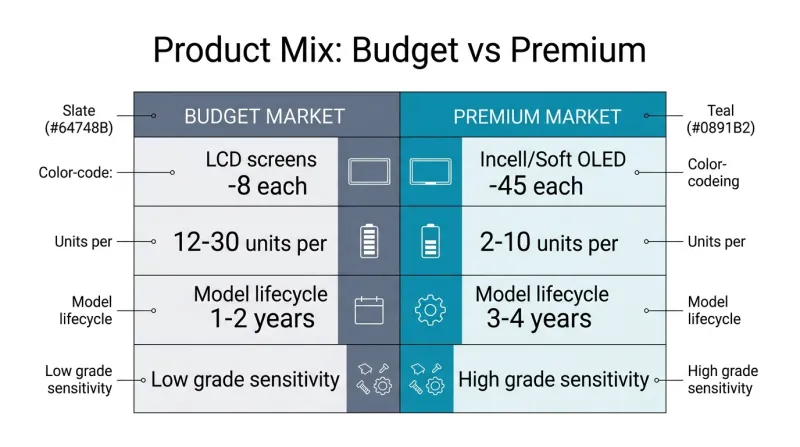
Photo: budget vs premium baby products comparison side by side, via res.cloudinary.com
Baby gear advice tends to come in two flavors: "buy all the best things" or "babies need almost nothing." Both are lazy. The real answer is that the baby industry is not priced rationally — some categories are genuinely worth stretching on, and others are where marketing departments go to multiply a $15 product by ten.
Here's our category-by-category verdict.
Car Seats: Spend Up (But Not for the Reasons You Think)
Here's the reassuring part: every car seat sold new in the US must pass the same federal crash standards. A $60 seat is not less safe in a crash than a $400 one.
So why spend more? Because safety on paper only counts if the seat is installed and used correctly, every time. Higher-priced seats buy you easier installation (better LATCH systems, load legs, clear indicators), easier harness adjustment, and features like anti-rebound bars. If a pricier seat means you install it right and stop second-guessing it, that's where the money goes. Verdict: mid-range is the sweet spot; spend for usability, not for padding.
Strollers: Mostly Marketing
The $1,000 stroller is one of the great upsells of modern parenting. You're paying for suspension, fabric, brand prestige, and a fold you'll perform maybe four times a day. Meanwhile, plenty of $150–$250 strollers handle sidewalks, fit in trunks, and survive multiple kids.
The exceptions: if you're navigating city transit daily, want a travel system, or need a stroller that folds one-handed while holding a baby and a coffee, certain features earn their price. Verdict: buy for your actual terrain and routine, not the neighborhood stroller arms race.
Bottles: The $15 Version Wins
Bottle pricing is where the industry really tests your gullibility. The core function — holding milk, letting your baby drink it — is solved by a $4 bottle. Fancy venting systems and "breast-like" shapes have thin evidence behind them, and what your baby accepts is largely a matter of baby-specific preference you can't predict anyway.
Buy a small variety of inexpensive bottles, see what your baby takes to, then stock up on the winner. Verdict: budget all the way. The real bottle cost is the drawer of rejected ones — so minimize it by buying few before buying many.
Baby Monitors: Know Which Kind You're Buying
This is the most split category. A $30 audio monitor does the core job: you hear the baby. Everything above that is a choice about information. Video monitors ($50–$150) genuinely help parents of newborns and good sleepers check without entering the room. Wearable "smart socks" and breathing monitors ($250–$300) promise data most healthy babies don't need — pediatric guidance doesn't recommend them for SIDS prevention, and they're notorious for false alarms that cost sleep.
Verdict: audio is fine for many families, video is a reasonable comfort buy, and the premium wearables are optional anxiety management, not safety equipment. Decide which you're shopping for.
Cribs: A Floor, Not a Ceiling
Like car seats, all cribs sold new must meet federal safety standards — drop-side cribs are banned, and slat spacing, mattress fit, and hardware are all regulated. So the $120 convertible crib is safe.
What more money buys: sturdier materials, non-toxic finishes with third-party certifications (look for GREENGUARD Gold), and convertibility into a toddler or full-size bed. If you plan for multiple kids or years of use, a mid-to-high crib can be a genuine value per use. Verdict: the budget crib is safe; spend more only if durability and longevity matter to your plans.
The Pattern Worth Noticing
Notice something? The categories where spending pays off — car seats, monitors, sometimes cribs — are the ones where money buys correct use, comfort, or longevity. The categories where it doesn't — strollers, bottles — are where money buys status or features you'll rarely touch.
That's the filter for every baby purchase: ask what the extra dollars actually do. If the answer is "help me use it right," consider it. If the answer is "look nicer on Instagram," put the $135 difference toward a night nurse, a deep freezer stash, or your own 3 A.M. snack fund. Your baby doesn't know what anything cost. You, on the other hand, will feel every dollar at midnight.