Six Months In, Starting Over: The Baby Gear Check-In Nobody Tells You to Do

Somewhere around the six-month mark, a quiet realization tends to hit new parents: half the stuff in the nursery hasn't been touched in weeks, and there's at least one thing you desperately need that wasn't on anyone's radar back when you were scanning the aisles at Buy Buy Baby.
That's not a failure. That's just what real parenting looks like.
The registry you built before your baby arrived was your best guess at future life. Now you have that life. And checking in on your gear situation halfway through the first year isn't just a good idea — it's one of the most practical things you can do for your sanity, your budget, and your actual daily routine.
Why Six Months Is the Sweet Spot
The newborn phase is survival mode. You're not evaluating gear — you're just trying to get through Tuesday. By the time the haze starts to lift around months three or four, you're finally awake enough to notice patterns. But six months? That's when you have enough data.
Your baby has personality now. They have preferences. They've outgrown certain things and grown into others. You've developed a rhythm — even if it's a messy, imperfect one — and that rhythm tells you a lot about what your household actually needs.
Waiting until the end of the first year to reassess means spending months working around gear that isn't serving you, or buying duplicates of things you already have buried in a closet.
Step One: Walk Through Every Room With Fresh Eyes
Grab your phone or a notepad and physically walk through your space like you've never seen it before. Don't organize anything yet — just observe.
What's within arm's reach? That stuff is working. What's pushed into a corner, folded up against a wall, or living under a pile of other things? That stuff isn't.
Make two lists:
- Active gear — things you use multiple times a week without thinking about it
- Passive gear — things you own but have to consciously decide to use (or never use at all)
Be honest. The bouncer that gets used once a week out of habit is different from the one that genuinely soothes your baby during dinner prep. One of those earns its square footage. The other might not.
Step Two: Match Your Gear to Your Baby's Current Stage
This is where a lot of parents get stuck. Gear gets bought for a stage that's already passed — or hasn't arrived yet — and it just sits there collecting guilt.
At six months, your baby is probably moving toward sitting independently, showing interest in solid foods, becoming way more alert and interactive, and developing some very strong opinions about sleep. That's a dramatically different set of needs than the first few weeks home.
Ask yourself:
- Is this item designed for where my baby was or where they are?
- Am I holding onto something because it was expensive, or because it's still genuinely useful?
- Is there something I've been improvising around that a specific product would actually solve?
That last question is important. Sometimes the audit reveals not just what to let go of, but what you actually need and never bought — because you didn't know you'd need it until you were living it.
Step Three: Look at Your Sleep Setup Honestly
Sleep gear tends to be the most emotionally loaded category, so it gets its own step.
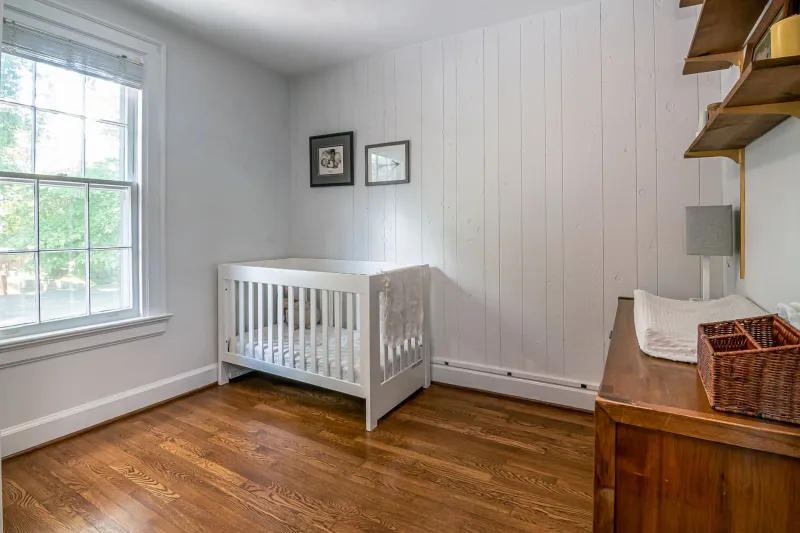
Whatever you thought sleep would look like before your baby arrived, the reality is probably different. Maybe you planned to use the bassinet and ended up room-sharing longer than expected. Maybe you bought a fancy sound machine that your baby ignores completely. Maybe you're still using the swaddle blankets even though your baby has been rolling for a month.
Your sleep setup should reflect what's actually working right now — not what worked at eight weeks, and not what you're planning to try next month. If you're in a transition (moving from bassinet to crib, or shifting your baby toward longer stretches), identify what gear that transition actually requires and make sure you have it.
And if something in your sleep environment isn't working, now is the time to address it — not six months from now when you've been losing sleep over it for half a year.
Step Four: Make Decisions, Not Piles
Once you've done the walk-through and the honest evaluation, resist the urge to just reorganize and call it done. The point of an audit is to make actual decisions.
For each piece of passive gear, pick one:
- Keep it because a specific upcoming stage will require it (be honest about the timeline)
- Pass it on — sell it, donate it, or offer it to a friend who's a few weeks behind you
- Return or exchange it if you're within any kind of window
- Toss it if it's worn out, broken, or genuinely not safe anymore
For your active gear, make sure it's accessible, clean, and set up in a way that actually supports your routine. Gear that works great but lives in the wrong spot is almost as frustrating as gear that doesn't work at all.
The Stuff You Didn't Know You'd Need
Every parent hits a moment where they realize there's a gap — something they didn't buy because they didn't know to buy it, and something that would genuinely make daily life easier.
Common six-month discoveries include:
- A high chair that actually fits your kitchen setup (not just the most popular one on the registry)
- A different carrier for a heavier, more active baby
- Blackout curtains that actually block light (the cheap ones you bought in a pinch aren't cutting it)
- A second set of sleep essentials for travel or grandma's house
These aren't impulse buys. These are informed purchases made by someone who now knows their actual life. There's a big difference.
Your Gear Should Work for Your Family — Not the Other Way Around
The whole point of this check-in isn't to make you feel bad about what you bought or didn't buy. It's to remind you that gear is a tool, and tools should be evaluated based on whether they're doing the job.
Your parenting style has probably already shifted since those early weeks. Your baby has definitely changed. It makes complete sense that your gear situation would need to shift too.
Taking an hour or two to do this audit — really do it, not just think about it — can save you months of frustration, unnecessary spending, and the low-grade chaos of living in a space full of things that aren't pulling their weight.
You've got six months of data now. Use it.