Baby Outgrew It (Or Did They?): A No-Guilt Guide to Upgrading Gear at Every Stage
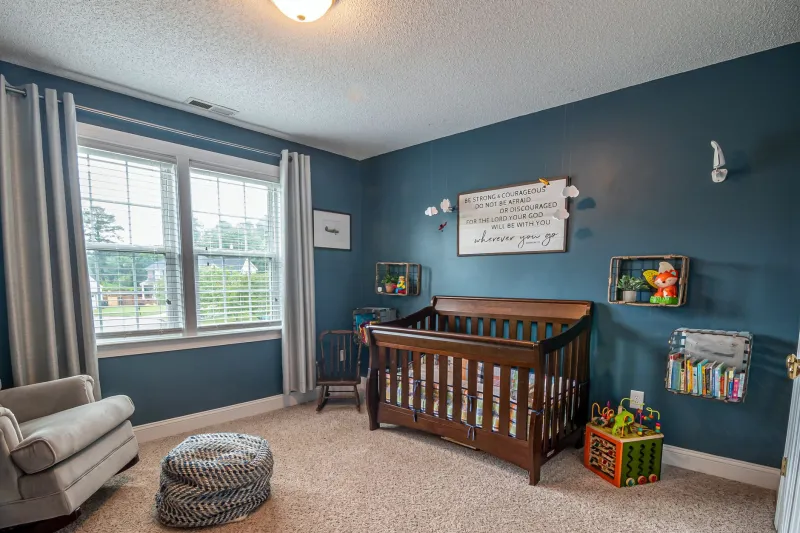
Somewhere around month four, a quiet panic sets in. The bouncer your baby loved is suddenly looking too small. The bassinet has a weight limit you're creeping toward. A friend just texted you a link to a convertible high chair with the message, "You're going to need this soon." And just like that, you're back on the gear treadmill.
Here's the thing: some of those transitions are completely real. Babies do outgrow things, and certain gear genuinely stops being safe or functional at specific stages. But a whole lot of what gets marketed as a "necessary upgrade" is really just... a sale. Learning to tell the difference is one of the most underrated parenting skills out there.
The Gear Timeline Is Real — But It's Not One-Size-Fits-All
Baby product manufacturers love a good developmental milestone. "Perfect for 0–6 months!" "Designed for babies 4–11 months!" These ranges exist for a reason — but they're averages, not deadlines. A bigger baby might hit a weight limit on a swing at three months. A smaller baby might comfortably use that same swing well into month seven.
The transitions that actually matter are the ones tied to safety thresholds, not marketing windows. Those include:
- Weight and height limits on bouncers, swings, and infant car seats
- Developmental milestones that change how your baby uses a piece of gear (like when they start sitting up and a flat-lay lounger becomes a fall risk)
- Sleep safety transitions, like moving out of a bassinet once a baby can roll or push up
Everything else? That's negotiable. And honestly, a lot of it is personal.
The Hand-Me-Down Guilt Is a Real Thing
If you've ever declined a bag of gently used baby gear from a well-meaning relative and immediately felt like you were throwing money away — you're not alone. Hand-me-down guilt runs deep, especially when you're already watching every dollar.
But not all hand-me-downs are created equal. Some items are totally safe to accept secondhand. Others genuinely shouldn't be passed down, no matter how good they look.
Generally fine to accept used:
- Clothing (obviously)
- Bouncers and swings (check for recalls first at cpsc.gov)
- High chairs and activity tables
- Baby carriers (if you can confirm they haven't been in an accident or compromised)
- Strollers (same caveat — check for recalls and inspect the frame)
Buy new when possible:
- Car seats (you can't verify the full history, and even a minor fender-bender can compromise the structure)
- Crib mattresses (hygiene and safety standards have changed significantly in recent years)
- Sleep positioners or older-style sleep products that may not meet current safe sleep guidelines
When someone offers you a bag of stuff, it's completely okay to take what makes sense and pass on the rest. You don't owe anyone a full adoption of their old gear system.
Stage-by-Stage: What's Actually Worth Swapping
Newborn to 3 Months
This is the stage where you genuinely need the least gear, even though it feels like the opposite. A safe sleep surface, a car seat, somewhere to set the baby down while you eat — that's really the core of it. Resist the urge to buy "the next size up" of anything just because it's on sale.
3 to 6 Months
Babies get interactive here — they're reaching, batting, starting to show preferences. This is when a play gym or activity mat earns its keep. It's also when a lot of parents realize the newborn insert in the car seat can come out, which buys more time before needing to size up.
6 to 9 Months
Sitting up changes everything. This is a genuine gear transition point: a high chair becomes useful, a jumper or exersaucer gets a real workout, and infant-only seats start to lose their appeal. But "starts to lose appeal" doesn't mean "immediately replace." If the seat is still safe and your baby is still comfortable, there's no rush.
9 to 12 Months
Crawling and pulling to stand is the big shift here. Baby-proofing matters more than new gear at this stage. The convertible car seat transition often happens around now, too — though again, check the actual weight and height limits on what you have before assuming it's time.
12 Months and Beyond
This is the phase where gear genuinely starts to simplify. A lot of the specialty baby items phase out, and you're moving into more general toddler territory. Resist the urge to immediately replace everything with "toddler" versions — many items your baby already has will carry them through just fine.
Budget-Friendly Ways to Navigate the Transitions
You don't have to buy everything new, and you definitely don't have to buy everything at once. A few strategies that actually work:
Buy used through local parent groups. Facebook Marketplace and local Buy Nothing groups are full of barely-used gear from parents who over-bought. You can often find items that were used for two months before the baby lost interest.
Rent or borrow for short-window items. Swings, bouncers, and some specialty seats are used intensely for a few months and then sit in a closet. Borrowing from a friend or using a baby gear rental service (yes, those exist) is a smart move for items you're not sure will work for your baby anyway.
Sell as you go. Every item you sell funds the next thing you actually need. Keep things moving rather than letting outgrown gear pile up.
Prioritize convertible options for big purchases. A convertible car seat, a crib that converts to a toddler bed, a high chair that adjusts as they grow — these cost more upfront but genuinely reduce the number of times you have to buy the same category of product twice.
The Real Question to Ask Before Every Purchase
Before you add anything to your cart, it helps to run it through a simple filter: Is this transition driven by my baby's actual needs, or by someone else's timeline?
That "someone else" might be a brand email, a well-intentioned relative, a parenting forum, or even just the vague anxiety of feeling like you're behind. None of those are great reasons to spend money.
Your baby's gear journey is going to look different from everyone else's — because your baby is different, your home is different, and your budget is different. The goal isn't to have every product at every stage. It's to have the right things at the right time for the way your family actually lives.
That's a much more manageable — and way less expensive — standard to hold yourself to.