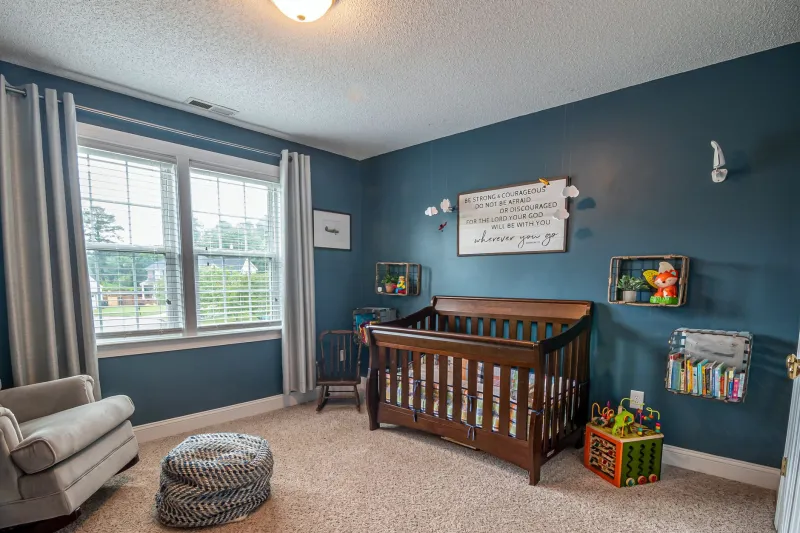
Why Your Baby's Nursery Looks Like an Amazon Warehouse (And How to Stop the Madness)
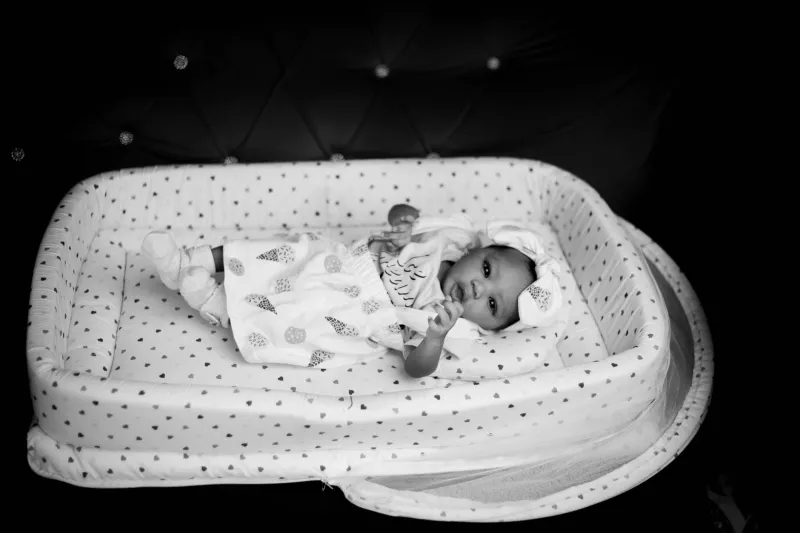
Somewhere between the third bouncer and the second white noise machine, most new parents hit a wall. The room is full. The credit card is tired. And the baby? Completely unbothered, perfectly content staring at the ceiling fan.
If this sounds familiar, you're in good company. The baby gear guilt spiral is one of the most common — and least talked about — experiences of early parenthood. It doesn't mean you're bad with money or easily manipulated. It means you're a loving parent navigating a billion-dollar industry that is very, very good at its job.
Let's break down what's actually happening, why it's so hard to stop, and how to build a smarter approach that works for your family — not everyone else's.
The Industry Is Designed to Make You Doubt Yourself
Here's something worth saying out loud: baby product marketing is built on uncertainty. And new parents have uncertainty in spades.
You don't know if your baby will be a light sleeper or a champion napper. You don't know if they'll hate the car or love it. You have no idea whether they'll take a pacifier or spit it across the room. And the second you feel that uncertainty, there's an ad waiting to fill the gap.
Words like clinically proven, pediatrician-recommended, and sleep-transforming are carefully chosen to make a product feel less like a purchase and more like a responsible parenting decision. Buying the thing feels like doing something. And when you're exhausted and overwhelmed, doing something is incredibly appealing.
Add in the algorithm — which learns your browsing habits faster than you learn your baby's hunger cues — and suddenly your feed is a curated gallery of products you didn't know existed two weeks ago but now feel essential.
Social Pressure Is Doing a Lot of Heavy Lifting
It's not just the ads. It's also the group chat.
When someone in your new-parent circle raves about a specific bassinet or swears by a particular formula warmer, it plants a seed. You don't want to be the one parent who didn't try the thing that apparently worked for everyone else. That fear of missing out — FOMO, in its most sleep-deprived form — is a powerful spending trigger.
And it goes beyond friend groups. Parenting influencers, mommy blogs, and YouTube nursery tours create a visual standard that's almost impossible not to internalize. When every curated feed features a perfectly coordinated nursery stocked with specific brands, it can feel like that's just... what you're supposed to have.
Spoiler: it's not.
The "Just in Case" Trap
Another big driver of gear accumulation? The just in case mindset. You buy the swing just in case the baby won't sleep flat. You grab the extra monitor just in case the first one isn't reliable. You order the bassinet and the pack-n-play just in case one doesn't work out.
This kind of thinking comes from a genuinely loving place — you want to be prepared. But it often results in a nursery full of backup solutions for problems that may never materialize, and a much lighter bank account.
The truth is, you can't prepare for every possibility. And trying to do so doesn't make you a better parent — it just makes you a more stressed one.
How to Tell the Difference Between a Smart Buy and a Spiral Buy
Not every purchase is a bad one. Some gear genuinely makes a difference. The goal isn't to minimize everything — it's to buy intentionally. Here's a simple framework to help you figure out which is which.
Ask yourself: Does this solve a real, current problem? If your baby is actually struggling to fall asleep and you've tried several approaches, a sound machine might be a thoughtful solution. If you're just pre-buying it because someone said it helped their newborn, that's a different conversation.
Ask yourself: Does this fit how I actually parent? If you're planning to babywear frequently, a quality carrier makes sense. If you're not, the seventeen-step buckle system you bought because it had great reviews might just gather dust. Your parenting style matters more than a product's star rating.
Ask yourself: Am I buying this for my baby or for my anxiety? This one's a little harder to sit with, but it's worth asking. Sometimes we buy things to manage our own worry, not because our baby actually needs them. That's human — but recognizing it can save you a lot of money and clutter.
Give yourself a 48-hour rule. If you see something and immediately feel the urge to buy it, wait two days. If you still think it's a good fit for your family after sleeping on it (or, you know, not sleeping, because baby), go for it. Most impulse gear purchases don't survive the 48-hour test.
What Actually Matters in the First Year
Here's a loose list of what most families genuinely use in the first twelve months — not as gospel, but as a reality check:
- A safe sleep surface (bassinet, crib, or pack-n-play — you don't need all three)
- Feeding supplies appropriate to your feeding method
- A few reliable swaddles or sleep sacks
- A carrier or stroller (or both, depending on your lifestyle)
- Basic clothing in a few sizes
- A car seat (non-negotiable, obviously)
Everything else is situational. Some babies love swings. Some are indifferent. Some families swear by baby monitors with all the bells and whistles; others use a basic audio model just fine. There's no universal list — which is kind of the point.
Breaking the Cycle Without the Shame
If you've already accumulated more than you need, the answer isn't to beat yourself up about it. You made the best decisions you could with the information and emotional state you had at the time. That's what parents do.
From here, you can start fresh with a more intentional approach. Before any new purchase, run it through your personal filter — does it solve a real problem, does it fit your style, and does it serve your actual baby rather than your hypothetical one?
You can also give yourself permission to buy less upfront and add things as genuine needs emerge. Babies are remarkably good at telling you what they need once they're actually here. You don't have to have everything figured out before they arrive.
And when the next targeted ad pops up or a friend texts you about the latest must-have gadget? Take a breath. Remember that your baby's needs are specific to them — not to a marketing demographic, not to someone else's kid, and not to a perfectly lit nursery tour.
Your way doesn't have to look like anyone else's. That's kind of the whole point.